

Popular Locations
- Yale New Haven Children's Hospital
- Yale New Haven Hospital - York Street Campus
- Yale New Haven Hospital - Saint Raphael Campus

Urgent medical care for children and adults is available. In a life-threatening emergency, always call 911.
Find the Best CareAs Connecticut's leading healthcare system we offer comprehensive family-focused services in more than 100 specialties.
The multidisciplinary team of physicians, nurses and other professionals are dedicated to delivering the highest level of quality care to our patients.
Learn MoreTreating more cancer patients than any other hospital in Connecticut. A team from one of Smilow's 13 cancer programs is available to discuss each patient's diagnosis and therapy options.
Learn MoreA dedicated pediatric hospital in Connecticut with world-class experts who offer a full spectrum of primary and specialized medical care.
Learn MoreOur Psychiatric Hospital leads the nation in discoveries that transform our understanding and treatment of behavioral health.
Learn MoreOur comprehensive Digestive Health Program offers patients the most advanced, proven and effective medical and surgical treatments for gastrointestinal issues.
Learn MoreYale New Haven Hospital provides a full range of medical services—from diagnosis to advanced treatments to care management.
Learn More
You can save lives by becoming an organ and tissue donor. Nearly 104,000 people in the United States are waiting for an organ transplant.
Read More
Accredited by the Joint Commission, our hospitals are nationally ranked among the best hospitals in the United States according to the U.S. News & World Report. And through our affiliation with the highly-ranked Yale School of Medicine our patients benefit from even more access to the latest medical treatments, advanced research and innovation.
Read More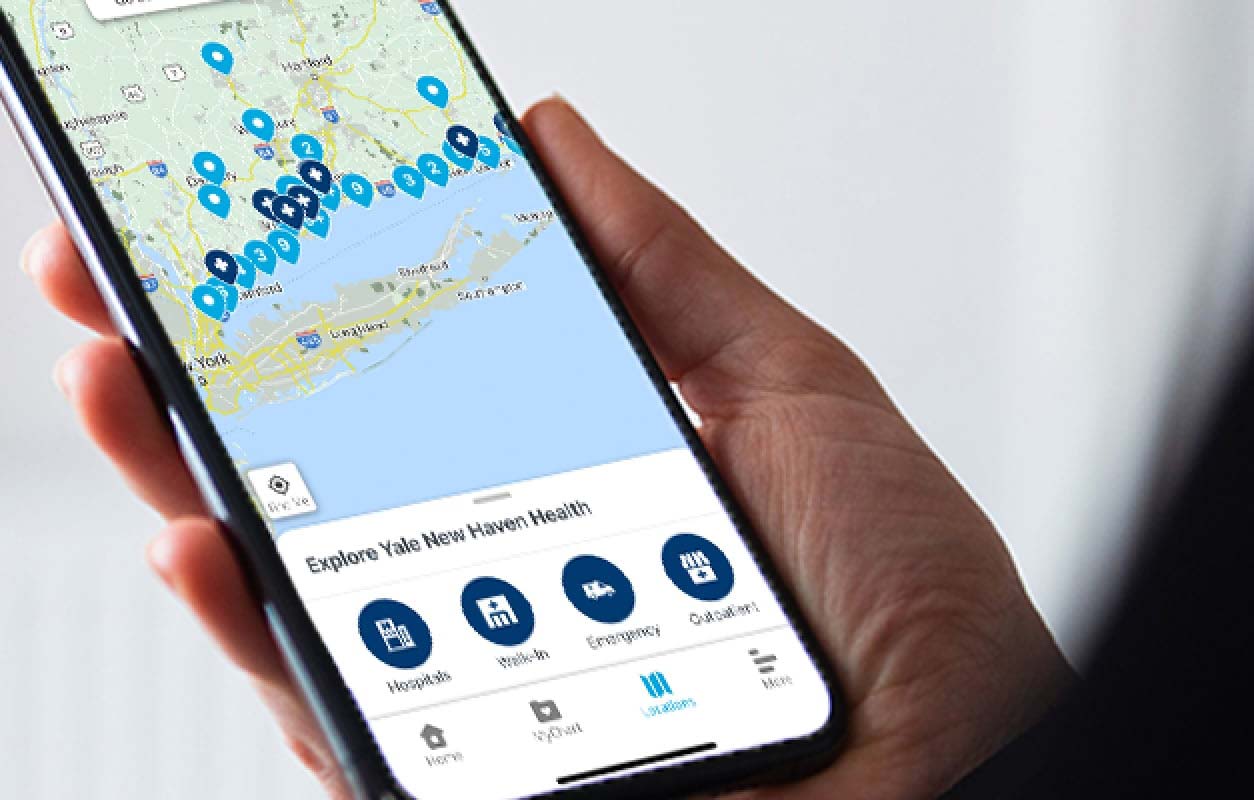
With YM-YNH Go, you can find the care you need, when and where you need it. Available on Google Play and the App Store.


Yale New Haven Hospital offers endless opportunities to build your career while helping others - whether you are a physician, nurse, clinical professional or non-clinical professional.

Yale New Haven Health is proud to be affiliated with the prestigious Yale University and its highly ranked Yale School of Medicine.