
Popular Locations
- Smilow Cancer Hospital
- Smilow Cancer Hospital Care Center - North Haven
- Smilow Cancer Hospital Care Center - Park Avenue Medical Center

 Contact Us
Chimeric Antigen Receptor T-cell (CAR-T) therapy is an innovative form of cellular immunotherapy that harnesses the power of a patient’s own immune system to treat certain cancers and, increasingly, autoimmune diseases. T-cells are specialized white blood cells that play a critical role in the body’s immune defenses. During CAR-T therapy, a patient's T-cells are collected through a process called apheresis and sent to a specialized manufacturing laboratory. There, the cells are genetically engineered to express a new receptor known as a Chimeric Antigen Receptor (CAR), which enables them to recognize and attack specific disease-causing cells with remarkable precision. Once modified and expanded into millions of highly targeted immune cells, the CAR-T cells are infused back into the patient, where they seek out and destroy their intended targets. CAR-T therapy has transformed the treatment landscape for many patients with blood cancers, producing durable remissions in diseases that were previously difficult to treat.
At Smilow Cancer Hospital, patients have access to FDA-approved CAR-T cell therapies as well as next-generation cellular therapies available through innovative clinical trials.
The promise of CAR-T therapy is now extending beyond cancer. Early clinical studies have shown encouraging results in several autoimmune diseases, leading to ongoing research evaluating CAR-T therapies for conditions such as systemic lupus erythematosus (lupus), systemic sclerosis (scleroderma), multiple sclerosis, and myasthenia gravis. Through our affiliation with Yale Cancer Center, eligible patients may have access to these groundbreaking investigational therapies as they are studied in clinical trials.
Yale currently offers multiple clinical trials that treat other indications including solid tumor cancers and autoimmune diseases.
Initial Consultation: A consultation is required with one of our cellular therapy specialists. During this visit, we will review your medical history, discuss available treatment options, and determine whether CAR-T therapy is the most appropriate treatment for your condition. Because close monitoring is essential after treatment, patients undergoing CAR-T therapy must identify a dedicated live-in caregiver who can provide support and remain with them around the clock for at least 4 weeks after infusion.
Evaluation and Preparation: Before beginning treatment, you will undergo a comprehensive evaluation to ensure that CAR-T therapy can be administered safely and effectively. Testing may include blood work, imaging studies such as Computed Tomography (CT), Positron Emission Tomography (PET), or Magnetic Resonance Imaging (MRI) scans, heart and lung function assessments, and, when appropriate, a bone marrow examination. These evaluations help our team assess your overall health, understand the current status of your disease, and develop an individualized treatment plan.
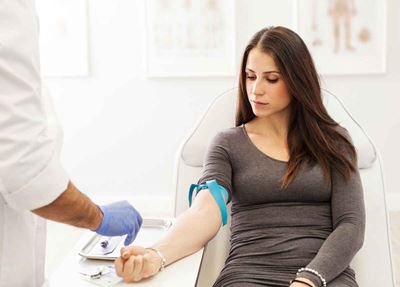
T-cell Collection (Apheresis): CAR-T therapy begins with collecting your own T-cells through a procedure called apheresis. During this outpatient procedure, blood is drawn from your body and passed through a specialized machine that separates and collects the T-cells while returning the remaining blood components to you. The procedure typically takes several hours and is generally well tolerated. Once collected, the cells are sent to a specialized manufacturing facility.
CAR-T Cell Manufacturing: At the manufacturing facility, your T-cells are genetically modified to recognize and attack disease-causing cells. The T-cells are then expanded into millions of highly specialized CAR-T cells before they are available for infusion.
Lymphodepleting Chemotherapy: A few days before receiving your CAR-T cells, you will receive a short course of chemotherapy known as lymphodepleting chemotherapy. This treatment helps prepare your immune system and creates an optimal environment for the CAR-T cells to expand and function effectively.
CAR-T Cell Infusion:Your CAR-T cells are infused through an intravenous (IV) line in a process similar to a blood transfusion. Once infused, the CAR-T cells begin recognizing and attacking their targets while continuing to multiply within your body. Although the infusion itself is relatively brief, careful monitoring is required afterward because the immune system becomes highly activated as the CAR-T cells begin their activity.
Recovery and Monitoring: The weeks following CAR-T therapy are critical. Patients are monitored closely for side effects and to assess treatment response. Depending on the specific therapy and individual circumstances, treatment may be delivered in either the inpatient or outpatient setting. Patients will need to remain within close proximity to Yale Cancer Center for a few weeks following the treatment. During this time, patients cannot drive and must have a live-in caregiver around the clock for at least 4 weeks, to assist with monitoring, transportation, and daily needs. Your caregiver will be trained to perform assessments and help monitor side effects when you are at home. During recovery, it is important to eat well, and get enough rest and exercise.
Successful CAR-T therapy extends beyond the infusion itself. Our dedicated team of physicians, advanced practice providers, nurses, pharmacists, social workers, nurse coordinators, and supportive care specialists work together to provide comprehensive care throughout recovery. Caregivers play an essential role in the recovery process and receive specialized education before treatment begins.
You will identify a live-in caregiver that will stay with you around the clock after discharge. Your caregiver is usually a family member or close friend. Recovering from CAR-T therapy can be challenging for both patients and their loved ones. Following discharge, patients continue to receive regular follow-up care to monitor for infections, complications, treatment response, immune recovery, and any delayed side effects. We remain partners in your care long after treatment is complete, providing the expertise, support, and surveillance needed to maximize long-term health and quality of life.
Drug therapies that harness the immune system’s natural ability to fight cancer have been advancing at a fast pace since the first immunotherapy drug was approved in 2011. These early immunotherapy drugs—called checkpoint inhibitors—work by triggering the immune system to attack cancer cells. But a new and highly personalized type of immunotherapy drug uses a patient’s synthetically modified T cells—a type of white blood cell—to kill cancer cells.
Drug therapies that harness the immune system’s natural ability to fight cancer have been advancing at a fast pace since the first immunotherapy drug was approved in 2011. These early immunotherapy drugs—called checkpoint inhibitors—work by triggering the immune system to attack cancer cells. But a new and highly personalized type of immunotherapy drug uses a patient’s synthetically modified T cells—a type of white blood cell—to kill cancer cells. This is called chimeric antigen receptor (CAR) T-cell therapy.

Yale New Haven Health is proud to be affiliated with the prestigious Yale University and its highly ranked Yale School of Medicine.